
tinted glass types
Rebar stands for concrete reinforcement bar, also known as reinforcing steel or reinforcement steel. It plays a crucial role in the construction industry, providing strength and stability to concrete structures. The use of rebar in concrete construction has been essential for centuries, dating back to ancient civilizations such as the Romans who built impressive structures like the Pantheon with the help of reinforced concrete. Rebar is typically made of steel and comes in various shapes and sizes depending on the specific requirements of the construction project. It is designed to withstand tension forces in concrete, preventing cracks and ensuring the durability of the structure. Without rebar, concrete would be prone to cracking and collapsing under pressure, making it unsuitable for many construction applications. In a typical construction project, rebar is placed within the concrete formwork before the concrete is poured. The rebar grid is carefully designed and positioned to provide the necessary structural support for the concrete. Once the concrete is cured, the rebar becomes embedded within the concrete, forming a strong bond that enhances the overall strength and integrity of the structure. The use of rebar allows for the construction of larger and more complex structures that would not be possible with plain concrete alone. Skyscrapers, bridges, dams, and highways are just a few examples of the types of structures that rely on rebar for stability and longevity. The versatility of rebar makes it an essential component in a wide range of construction projects, from residential buildings to industrial facilities The versatility of rebar makes it an essential component in a wide range of construction projects, from residential buildings to industrial facilities The versatility of rebar makes it an essential component in a wide range of construction projects, from residential buildings to industrial facilities The versatility of rebar makes it an essential component in a wide range of construction projects, from residential buildings to industrial facilities rebar stands for concrete . In addition to providing structural support, rebar also helps to minimize the environmental impact of construction projects. By reinforcing concrete with steel, builders can reduce the amount of material needed for a given structure, resulting in less waste and a more sustainable construction process. Rebar can also be recycled and reused, further reducing the carbon footprint of construction projects. As technology advances, new types of rebar are being developed to meet the evolving needs of the construction industry. Fiberglass rebar, for example, offers a lightweight and corrosion-resistant alternative to traditional steel rebar. Carbon fiber rebar is another innovative option that provides high strength and durability while also being lightweight and non-corrosive. In conclusion, rebar stands for concrete reinforcement bar and plays a critical role in the construction industry. By providing strength, stability, and durability to concrete structures, rebar enables the construction of safe and reliable buildings and infrastructure. As construction practices continue to evolve, rebar will remain an essential component in the development of sustainable and resilient structures for the future.
about
tinted glass types
Understanding the Importance of DN50 Filters in Industrial Applications In the realm of industrial processes, the efficiency and reliability of fluid systems are paramount. One crucial component that ensures optimal performance is the filter, particularly the DN50 filter. In this article, we will explore the significance of DN50 filters, their construction, benefits, and applications across various sectors. What is DN50? DN50 refers to the nominal diameter of a pipe or fitting, specifically 50 millimeters. Filters designed for DN50 pipes play a vital role in maintaining the quality and integrity of fluids within a system. These filters are engineered to remove particles, debris, and contaminants from liquids and gases, preventing damage to machinery and ensuring smooth operations. Construction and Types of DN50 Filters DN50 filters can be constructed from various materials, including stainless steel, plastic, or fiberglass, depending on the application requirements. The design of these filters can vary, with common types including basket filters, cartridge filters, and mesh filters. Each type has its specific advantages; for instance - Basket Filters are typically used in larger flow applications, providing a large surface area for filtration. They are easy to clean and maintain. - Cartridge Filters offer a compact design, effective in removing fine particles from fluid streams. Their disposable nature makes them convenient for industries requiring regular maintenance. - Mesh Filters are excellent for coarse filtration, ideal for applications where larger particles need to be captured without hindering flow rates. Benefits of DN50 Filters The advantages of implementing DN50 filters in industrial systems are numerous 1. Protection of Equipment By removing contaminants from the fluid, DN50 filters protect pumps, valves, and other downstream equipment from wear and failures. This extends the life of machinery and reduces maintenance costs. filter dn50 2. Improved Efficiency Clean fluids result in better efficiency in processes. Unfiltered impurities can lead to blockages or reduced flow rates, negatively impacting productivity. 3. Enhanced Product Quality In industries such as food and beverage, pharmaceuticals, and chemicals, the purity of fluids is crucial. DN50 filters ensure that unwanted particles do not compromise product quality. 4. Customization DN50 filters can be tailored to meet specific operational requirements, including varying flow rates and particle sizes, making them versatile for diverse applications. Applications of DN50 Filters DN50 filters find applications across multiple industries, including - Water Treatment They help in purifying water by removing sediments and impurities before further processing. - Oil and Gas In upstream and downstream operations, DN50 filters are essential in managing filtration needs to ensure the integrity of the final products. - Food and Beverage Maintaining the cleanliness of liquids during processing is crucial for compliance with health regulations. - Manufacturing In various manufacturing processes, DN50 filters prevent contamination, ensuring the efficiency of production lines. In conclusion, DN50 filters are vital components in maintaining fluid integrity across various industrial applications. Their ability to protect equipment, enhance efficiency, and improve product quality makes them indispensable in ensuring smooth operations in fluid systems. As industries continue to evolve, the reliance on effective filtration solutions like the DN50 filter will only grow.
-

High quality industrial productsagement

High quality industrial products
View Details -

Meet the diverse needs of customers

Meet the diverse needs of customers
View Details -

Strict quality control

Strict quality control
View Details -

Top raw materials

Top raw materials
View Details -

Trusted supplier

Trusted supplier
View Details
Our application
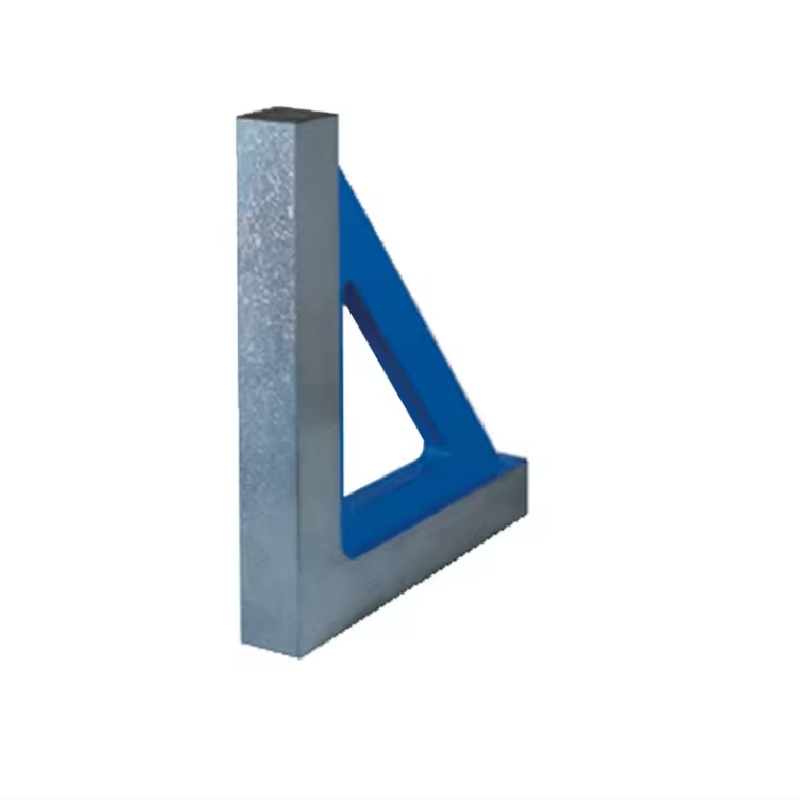
news and information
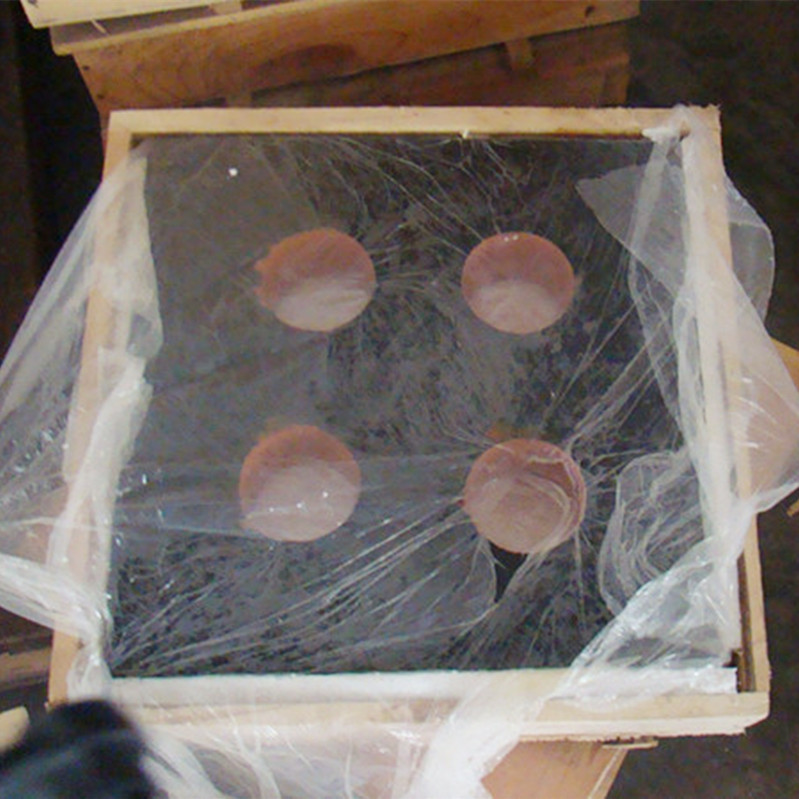
workbench fabrication table for efficient welding projects and workspace organization
The Importance of a Workbench Welding Table in Modern Fabrication In the realm of metalworking and f
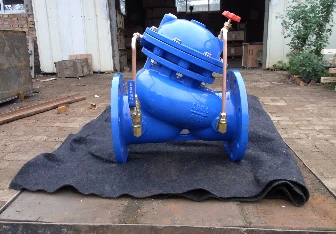
y type suction strainer
Understanding Y-Type Suction Strainers A Comprehensive Guide In various industrial applications, mai
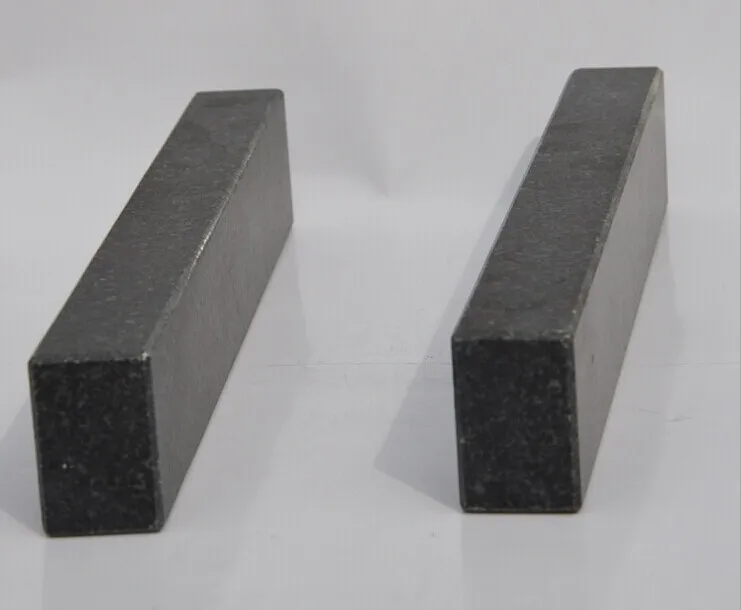
Welding Tables Available for Purchase at Competitive Prices
welding tables for sale .
 English